
Showing posts with label Equity. Show all posts
Showing posts with label Equity. Show all posts
Sunday, April 21, 2013
New Mobility Consult: Partner for Sustainable Transport


Thursday, April 18, 2013

Sunday, April 14, 2013
Weekend Musing: One more reason why Africa does not matter
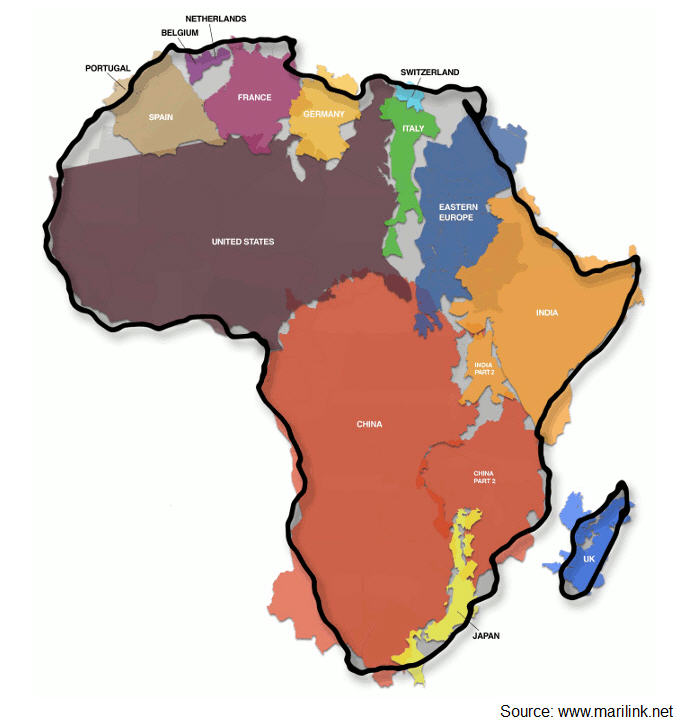
- From Cities, Transport and Equity in Africa: Unasked Questions
Wednesday, April 3, 2013


Monday, April 1, 2013
Our Right to Walk is Non-negotiable (India)

Sunday, March 31, 2013

Saturday, March 30, 2013
Op-Ed. Horrendous costs of motorized transport in (Indian) cities

Thursday, March 28, 2013
Thinking on Transport/Equity: Selected references


Wednesday, March 27, 2013
Tuesday, March 26, 2013
Author at work

In the meantime, you may note when you call them up they are presented to you simply with the latest postings on top. Which of course is not the order in which they are being treated in the book now in process. Still, they should give you a good feel for where we are going with this, we think important, book.
The Equity Initiative

Late Night Thoughts on Equity

Monday, March 25, 2013
Early this morning World Streets welcomed our 3000th registered reader
 Early this morning World Streets welcomed our 3000th registered reader. After almost to the day four years of faithful service to the cause of sustainable transport, sustainable cities and sustainable lives, since the beginning of the year we have started to receive a substantial increase in these contacts. For example, even as I write this note, the number is up to 2015 (which you can confirm for yourself in the top right column).
 We feel proud and hope that you as one of our readers feel proud too. After all , the only reason we are here is to learn from each other and do what we can to make our cities and our planet fairer and better places for all, today and tomorrow.
Equity: A muddled discussion awaiting its first theory
Nothing is more attractive to me than a muddled discussion awaiting its first theory.
- E. O. Wilson, Biophilia, Harvard University Press, 1984
 And if ever there were a "muddled discussion" in the domain of public policy, just about everything we have heard and seen over the last decades under the heading of "sustainable development" and "sustainable transportation" has to be placed firmly in this category. Hopes, rhetoric and promises have run higher than high, while concrete achievements and realities have been tragically few and far between. We are grievously losing the war of sustainability on just about every front you can imagine. Something has to be very wrong, something fundamental, something structural and something which apparently is not getting the attention it requires.
--> Read on:
Saturday, March 23, 2013
The Helsinki Process

During the two weeks in Helsinki we met with almost 200 people representing a broad cross-section of interests and points of view, organized and participated in on the order of twenty interviews and brainstorming dialogues, three half-day master class sessions, and on 27 April a final plenary presentation organized to present and invite first feedback and recommendations on this intensive process. The final presentation was followed by a session of questions from the audience and general discussion, with a brief closing summary of observations and findings made by the Deputy Mayor of Helsinki Pekka Sauri, in charge of Public Works and Environmental Affairs for the city.
Friday, March 22, 2013
Editorial: On the plane to Helsinki (March 2012/March 2013)
--> Read on:One year almost ot the day after the start-up of the first Helsinki project, I have carefully reviewed this original article, slightly rewritten it for clarity, but above all have added a fair number of observations, questions and cautions by distinguished colleagues following this project in many parts of the world. Valuable food for thought for anyone who wishes to get a handle on some of the fundamental issues to be considered for eventual equity-based transportation reform.
Thursday, March 21, 2013
Equity, Efficiency and the Invisible Majority

The “transportation majority” is not what most people think, transportation planners and policy makers among them. The transportation majority are all those of us who increasingly are poorly served by the mainline service arrangements that eat up most of our hard-earned taxpayer money and fail to offer them acceptable and efficient choices that mesh with their special needs and circumstances. And each year as our populations age this majority grows in numbers.
Wednesday, March 20, 2013
Equity-Based Transport Systems: Get Ready to Embrace Complexity (or Get Off the Bridge)


Subscribe to:
Posts (Atom)


 Posts


